


















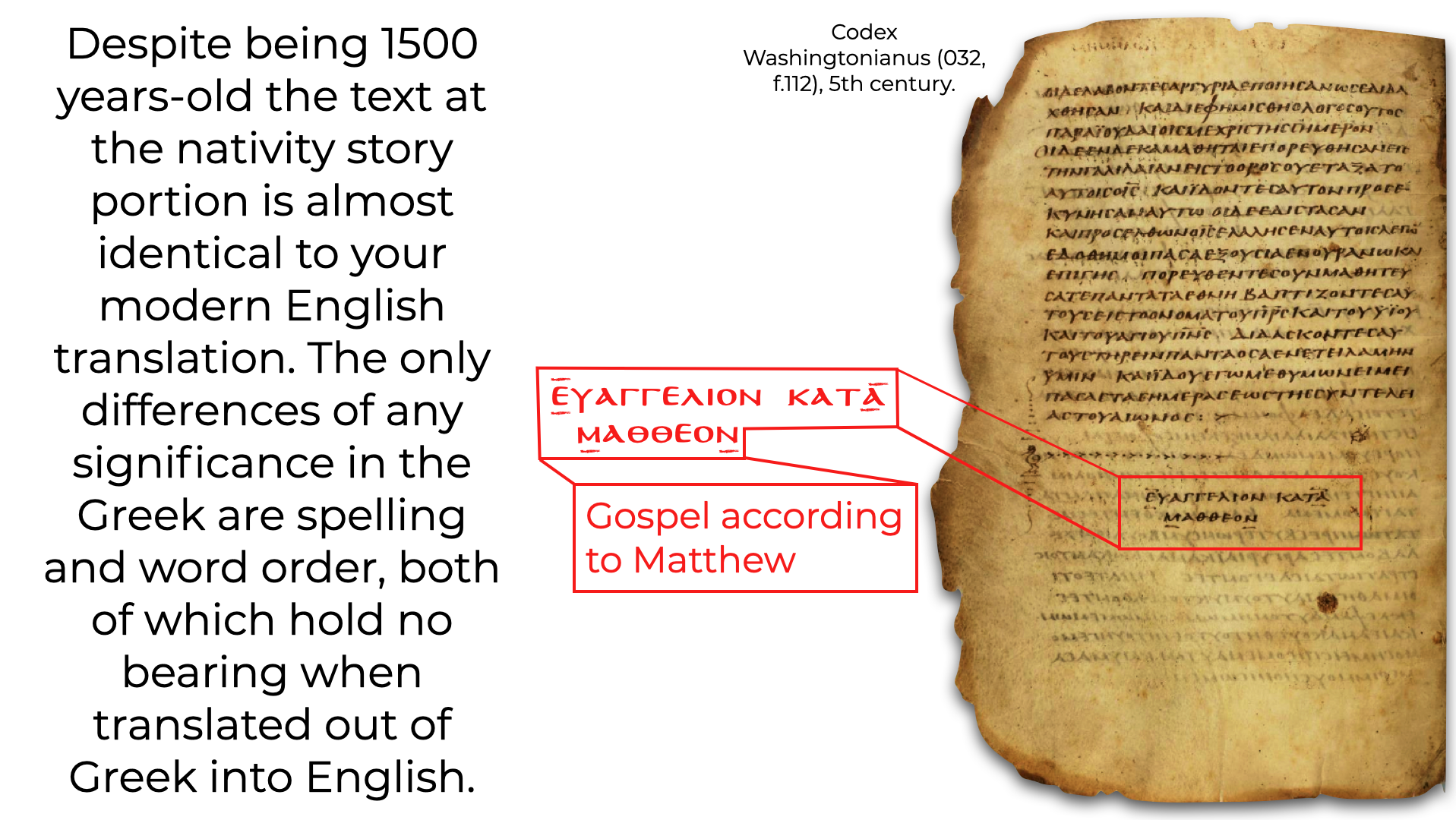


I got to see Jesus genealogy in a 3rd century manuscript
This is P1, a 3rd century copy of the Gospel of Matthew, which includes Jesus’ genealogy and the story of his miraculous birth. I got the unique opportunity to both see P1 as well as where it was discovered in Egypt.


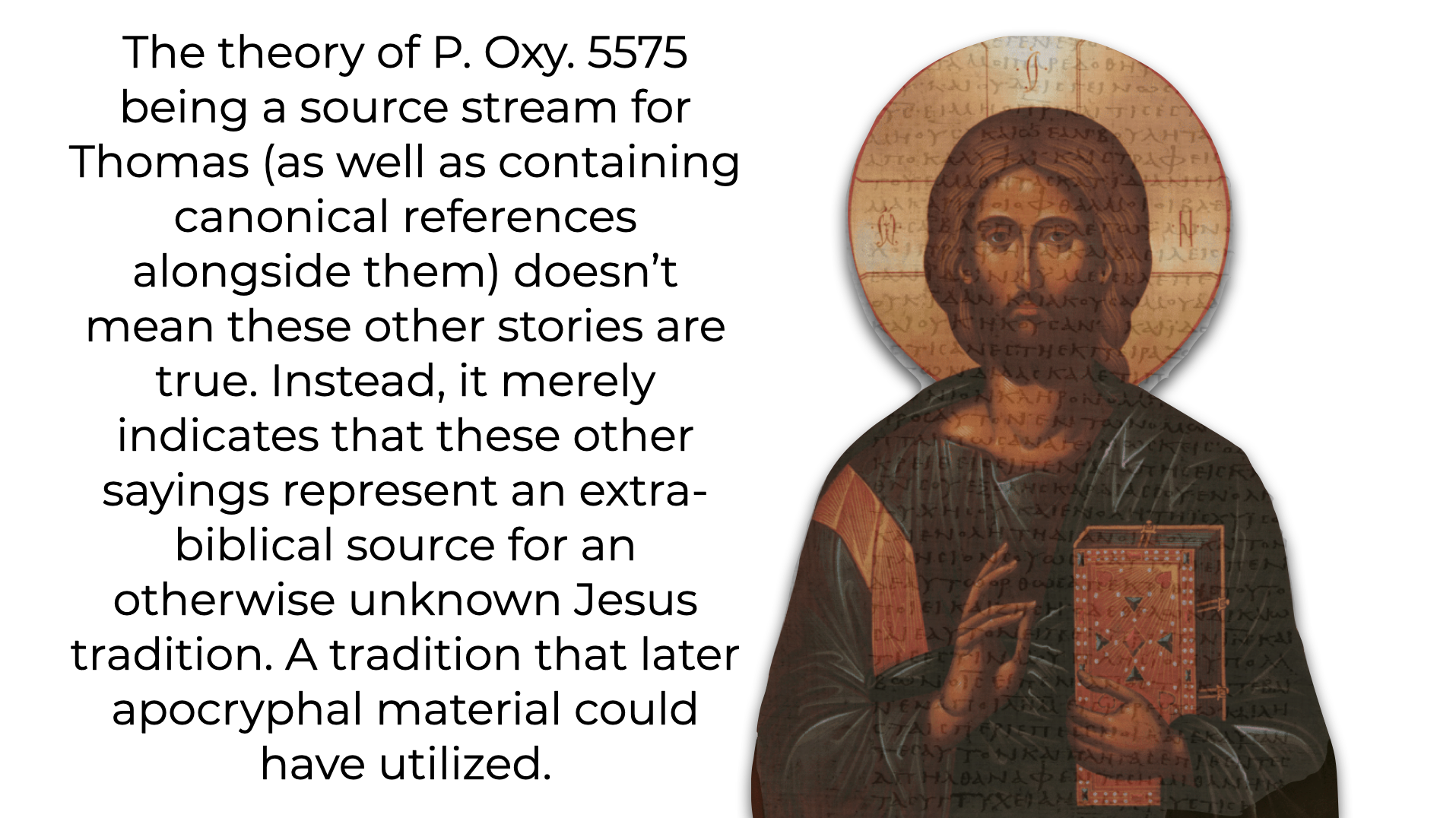
P.Oxy. 5575 - a new published papyri
P. Oxy. 5575, is one of the latest editions to the Egyptian Exploration Society’s published volume (now on number LXXXVII). This 9x3cm papyrus fragment has been attracting a lot of attention lately…





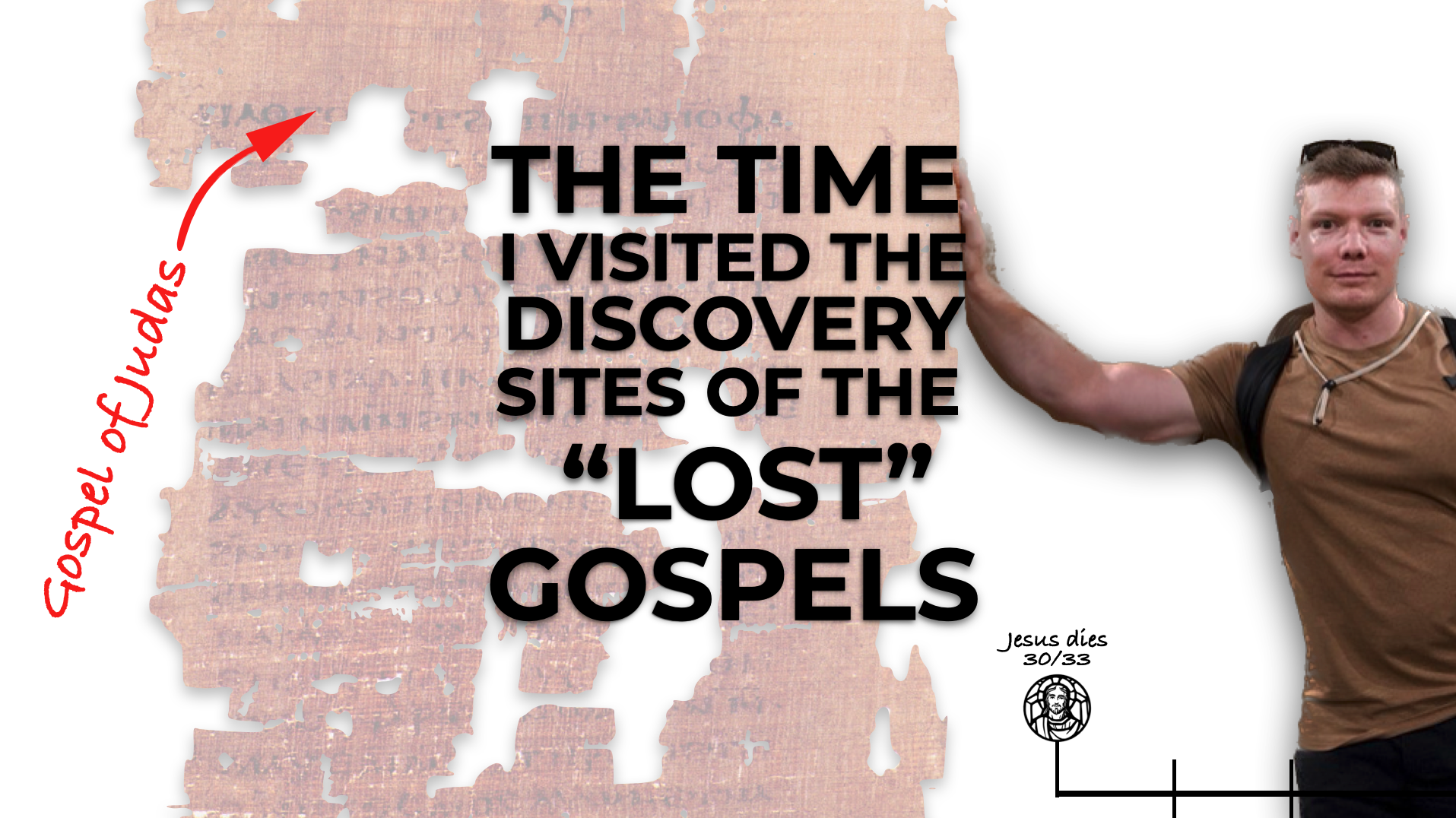
The time I visited the discovery sites of "lost" sospels
In June 2023, my colleague and I headed over to Egypt. While there we visited key sites where biblical and apocryphal manuscripts were discovered, along with getting to see a few particularly noteworthy manuscripts up close and personal…




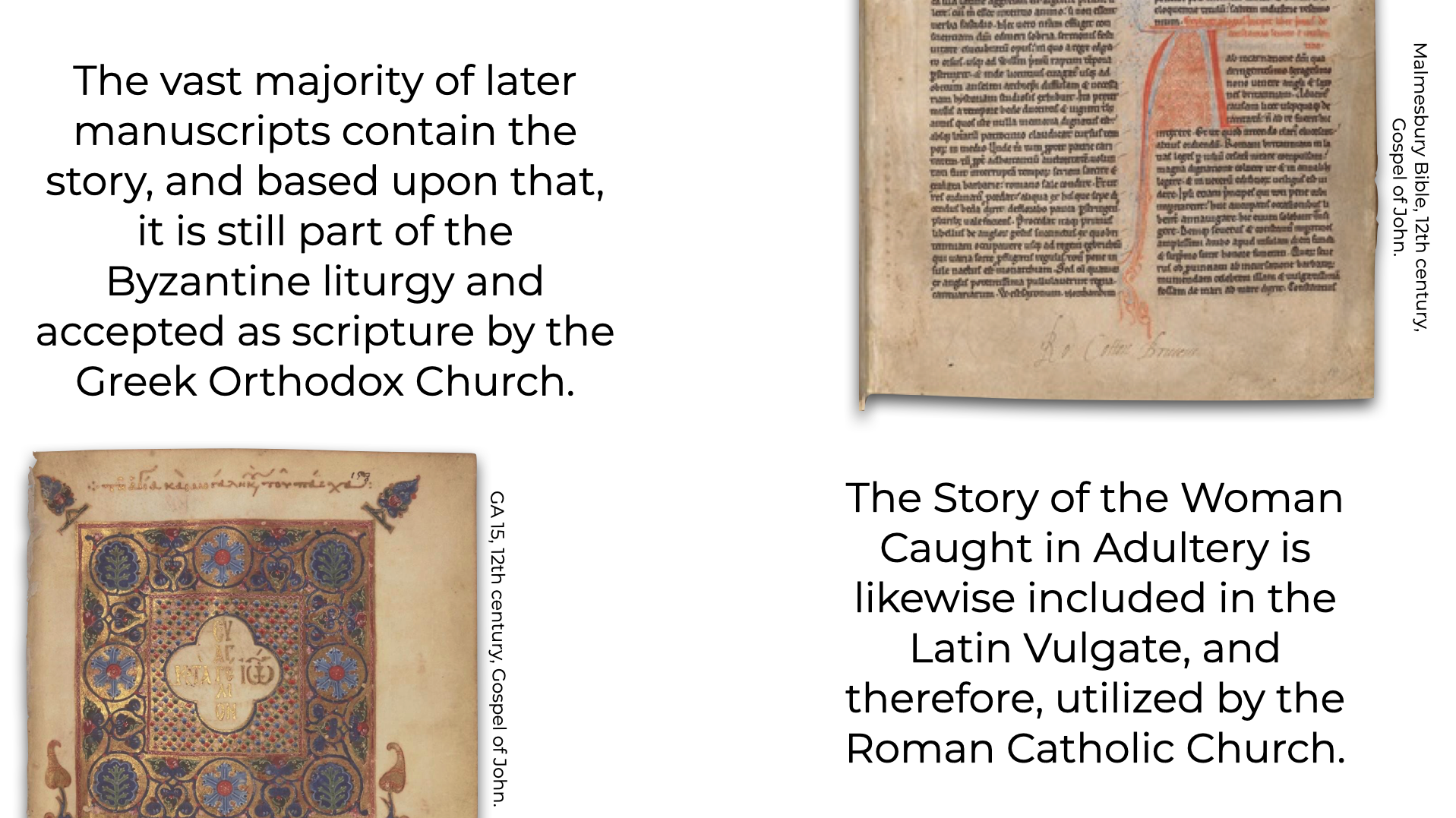
The most famous Bible verse not original to the Bible
If you look at your modern translation of the Bible you’ll notice that at the end of John 7 the text is often sectioned out or bracketed off with the citation note that reads something to the effect of: “The earliest manuscripts and many other ancient witnesses do not have John 7:53-8:11.” Part of the trickiness of the conversation regarding this text, which records the story of the woman caught in adultery, is that it is not found in any of the earliest Greek texts in the manuscript tradition.




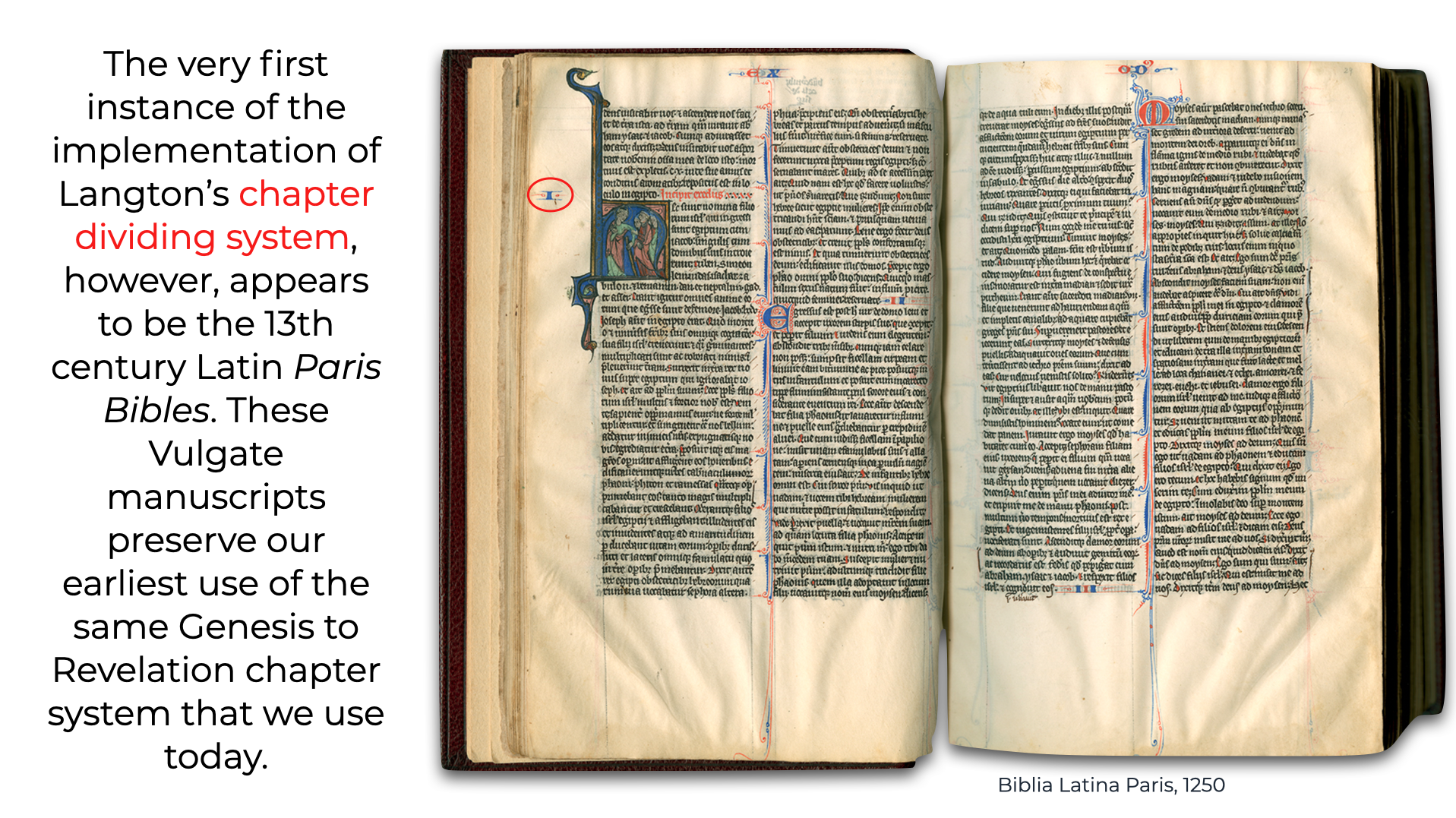
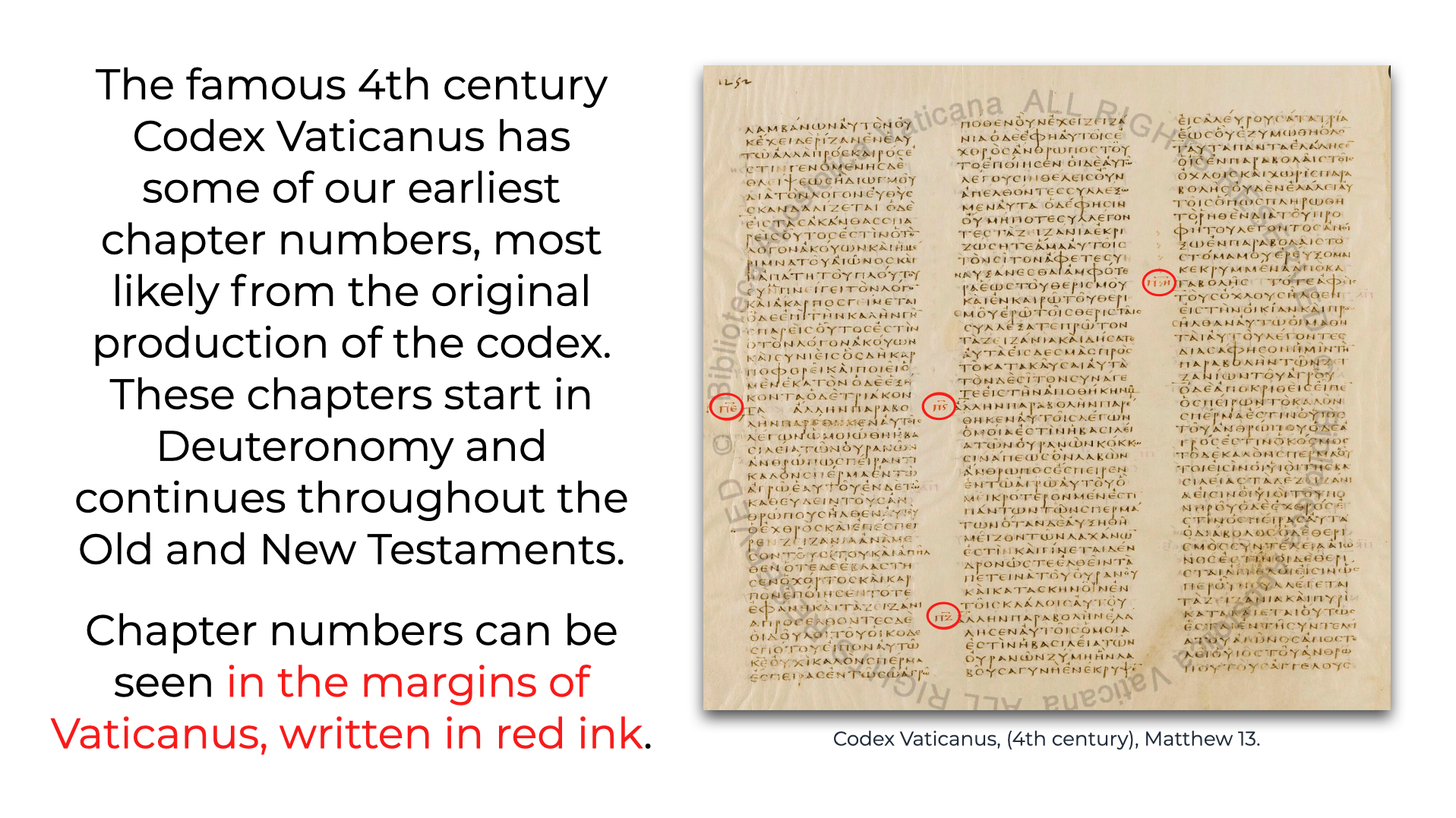
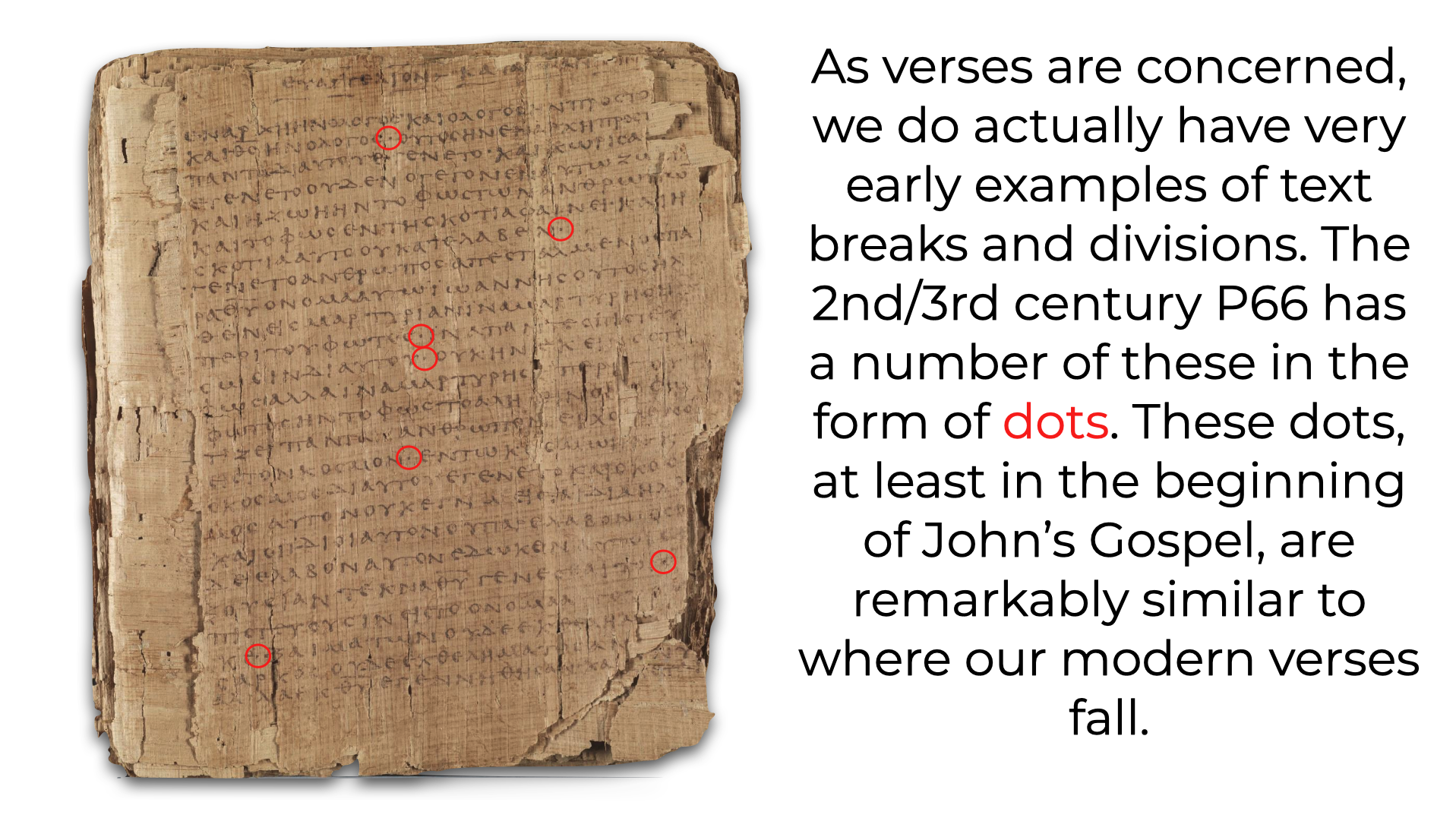
Where do the chapters and vesres in your Bible come from?
Our earliest copies of both the Hebrew Old Testament and the Greek New Testament did not come with chapter and verse divisions. So where did they come from?







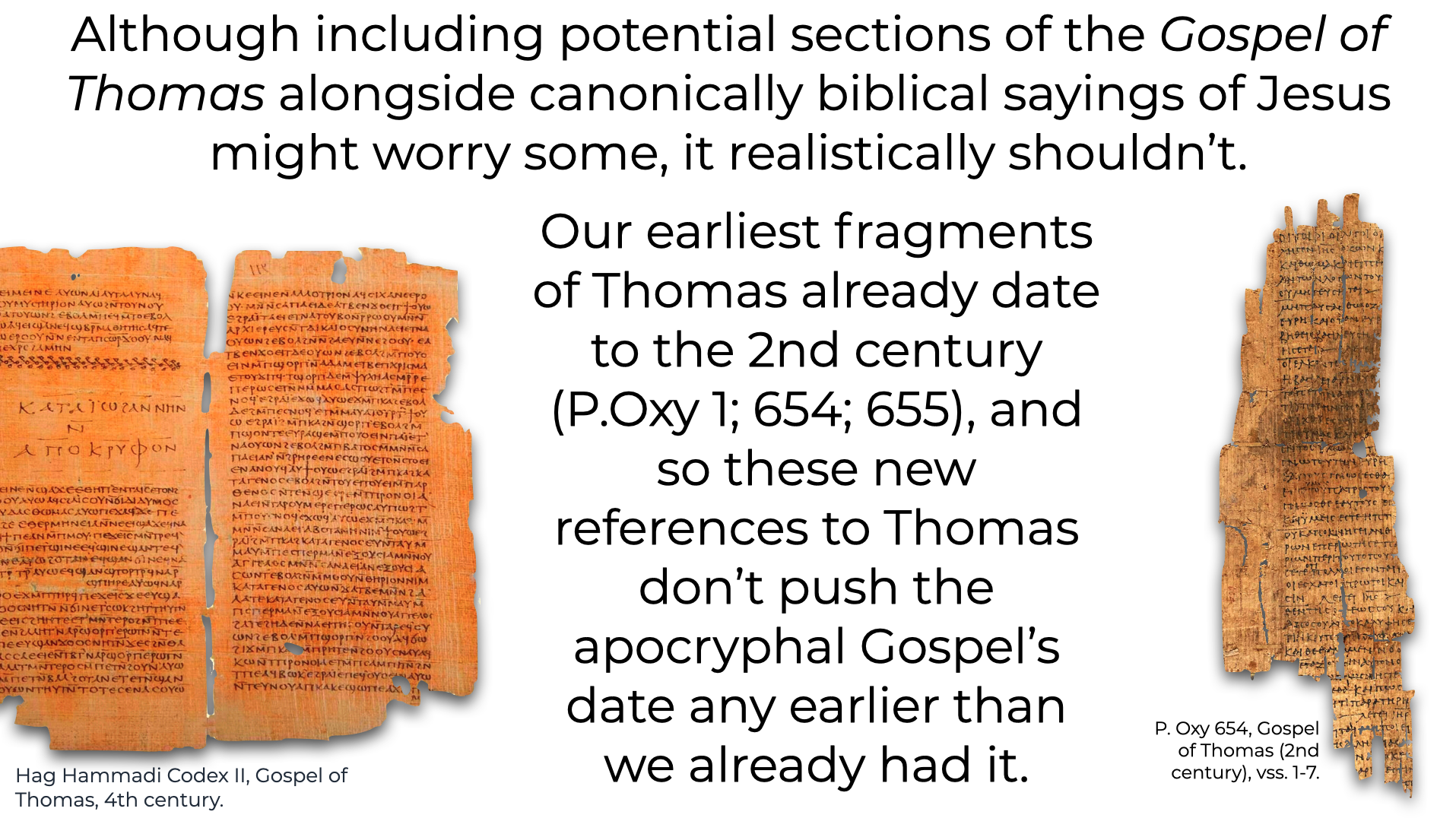
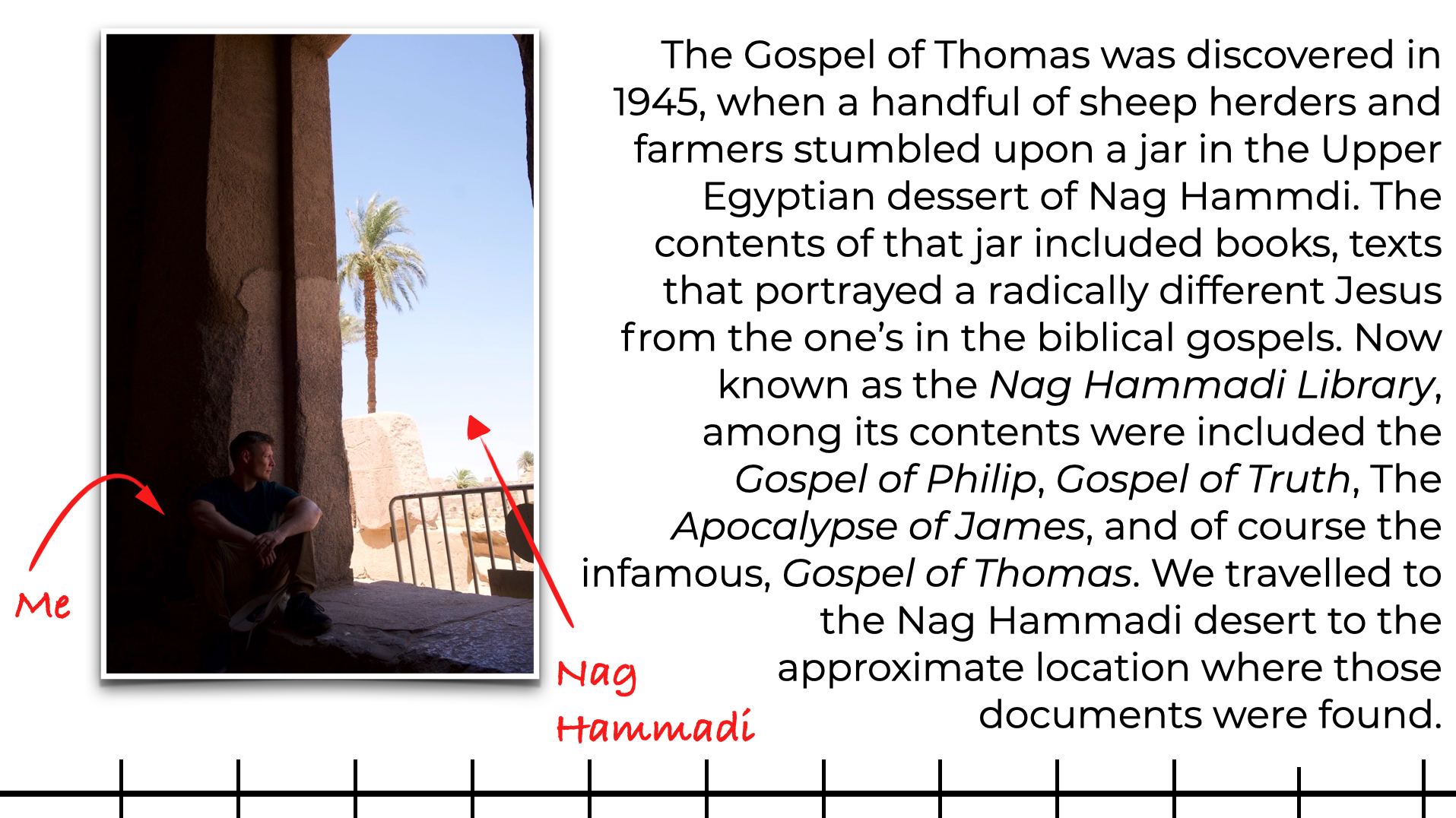
The Gospel of Thomas -- the earliest non-biblical Gospel
The final form of the Gospel of Thomas, in Coptic as it is found in the Nag Hammadi Library, is one of, if not the, earliest extant non-canonical Gospel accounts. Earlier fragmentary versions of the Gospel of Thomas exist in P.Oxy. 1, P.Oxy. 654, and P.Oxy. 655. These other three are Greek, and their text make up roughly 20% of the of the Nag Hammadi version and all show development over time within the text.


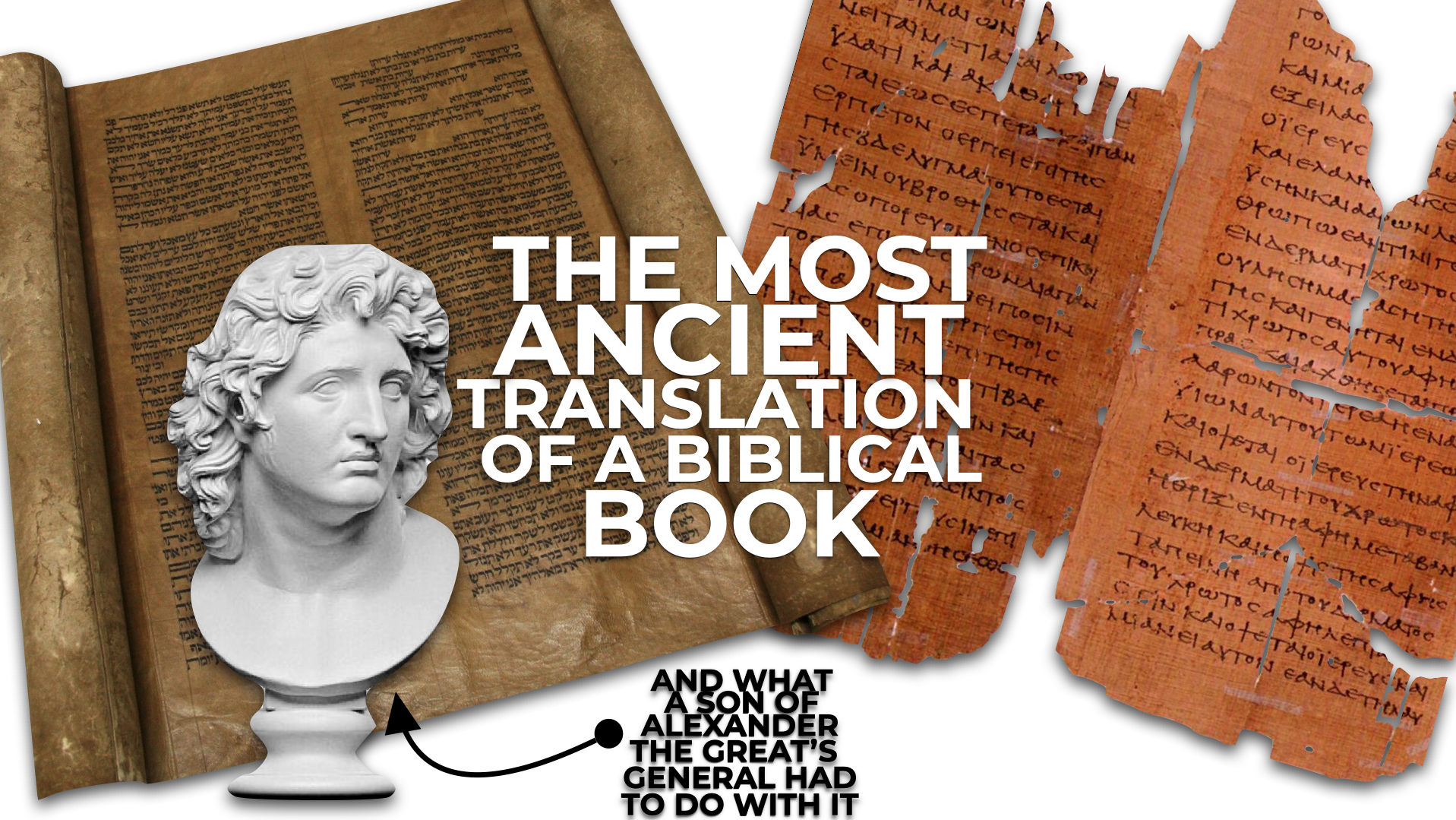
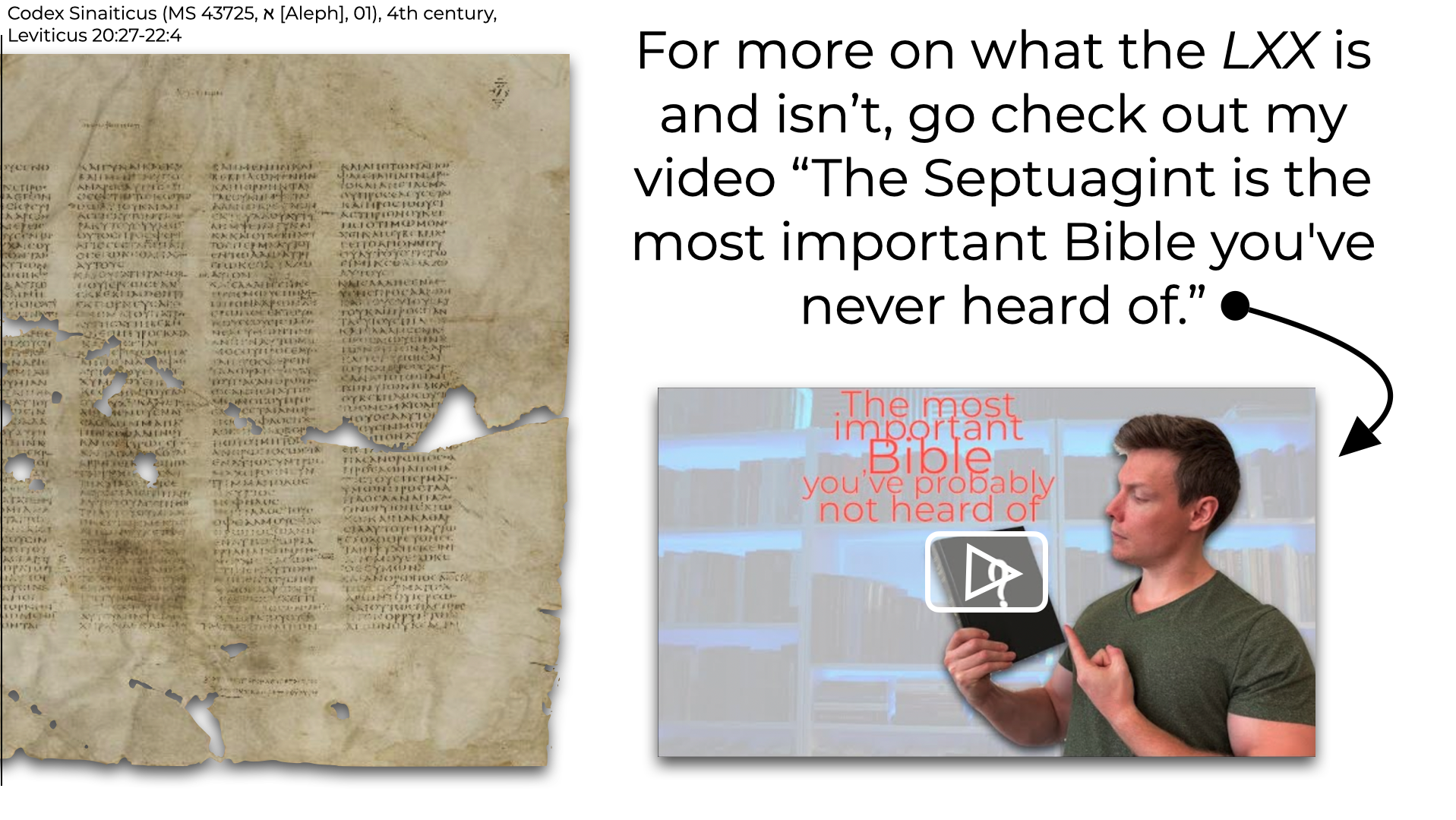
The most ancient translation of Leviticus
This is Manuscript 2649, it contains parts of Leviticus and dates to the 2nd century. It is the oldest Greek fragment of this part of the Bible. It would have originally contained 27 chapters of Leviticus and had about 74 papyrus pages. Containing sections from Lev. 10:15 - 11:3; 11:12 - 47; 12:8 - 13:6; 23:20 - 30; 25:30 - 40.




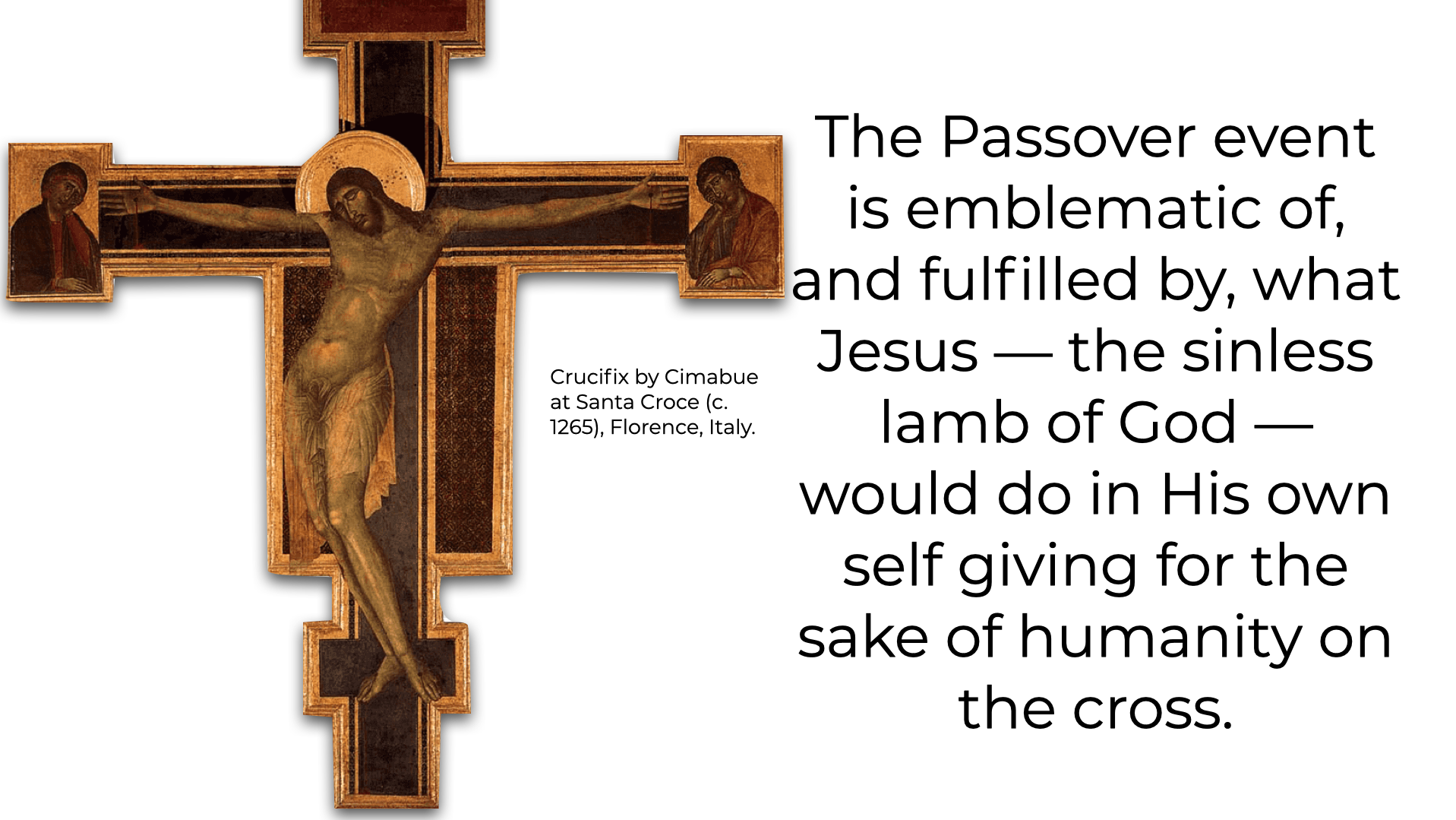
The earliest (non-biblical) written evidence for Passover
The Elephantine Passover Papyrus is the earliest non-biblical reference to Passover. Discovered in 1907-1908, it belonged to a communal Jewish archive, owned by a Yedaniah ben Gemariah.It is written in Aramaic and dated to 419 BC…



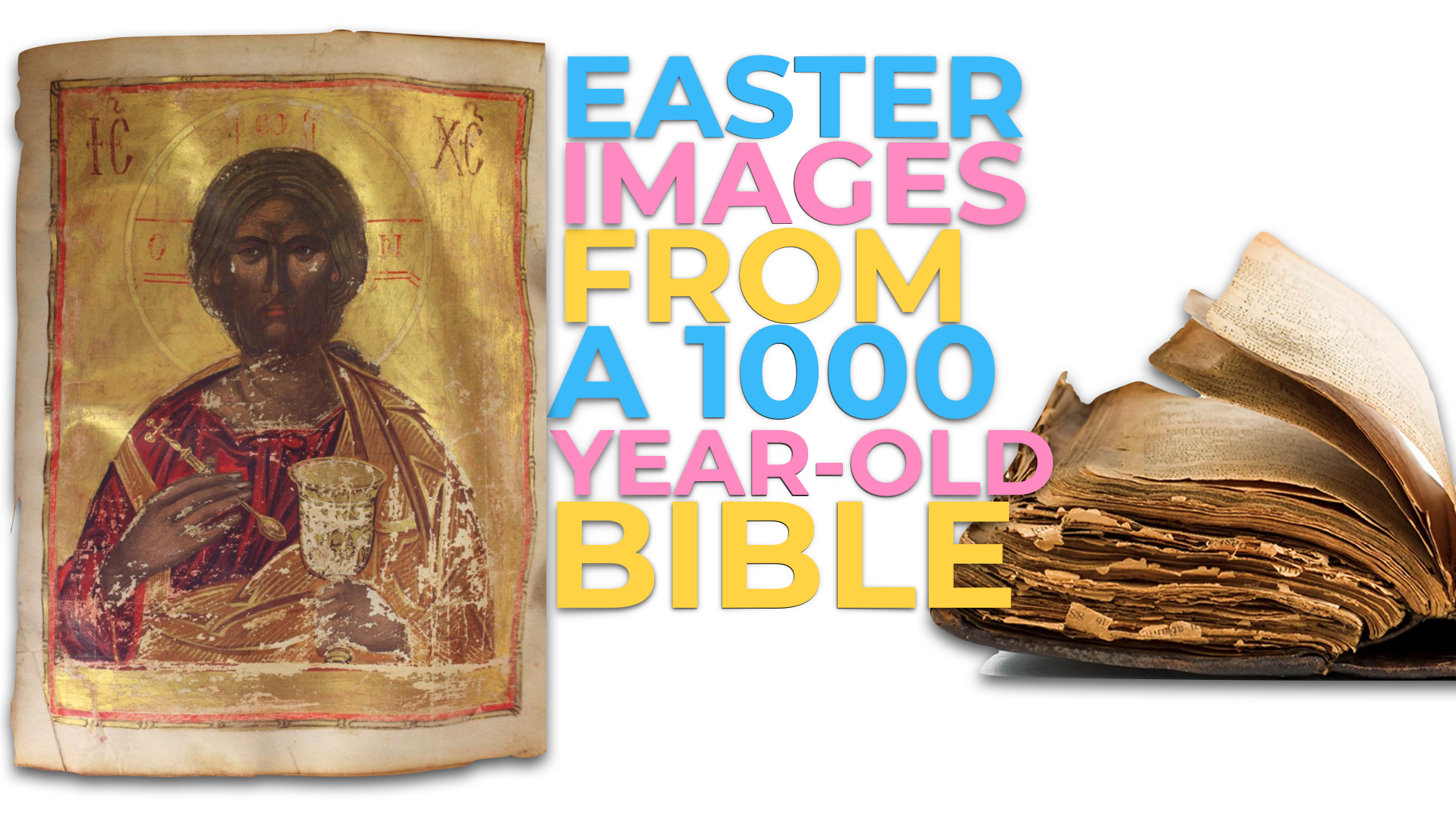
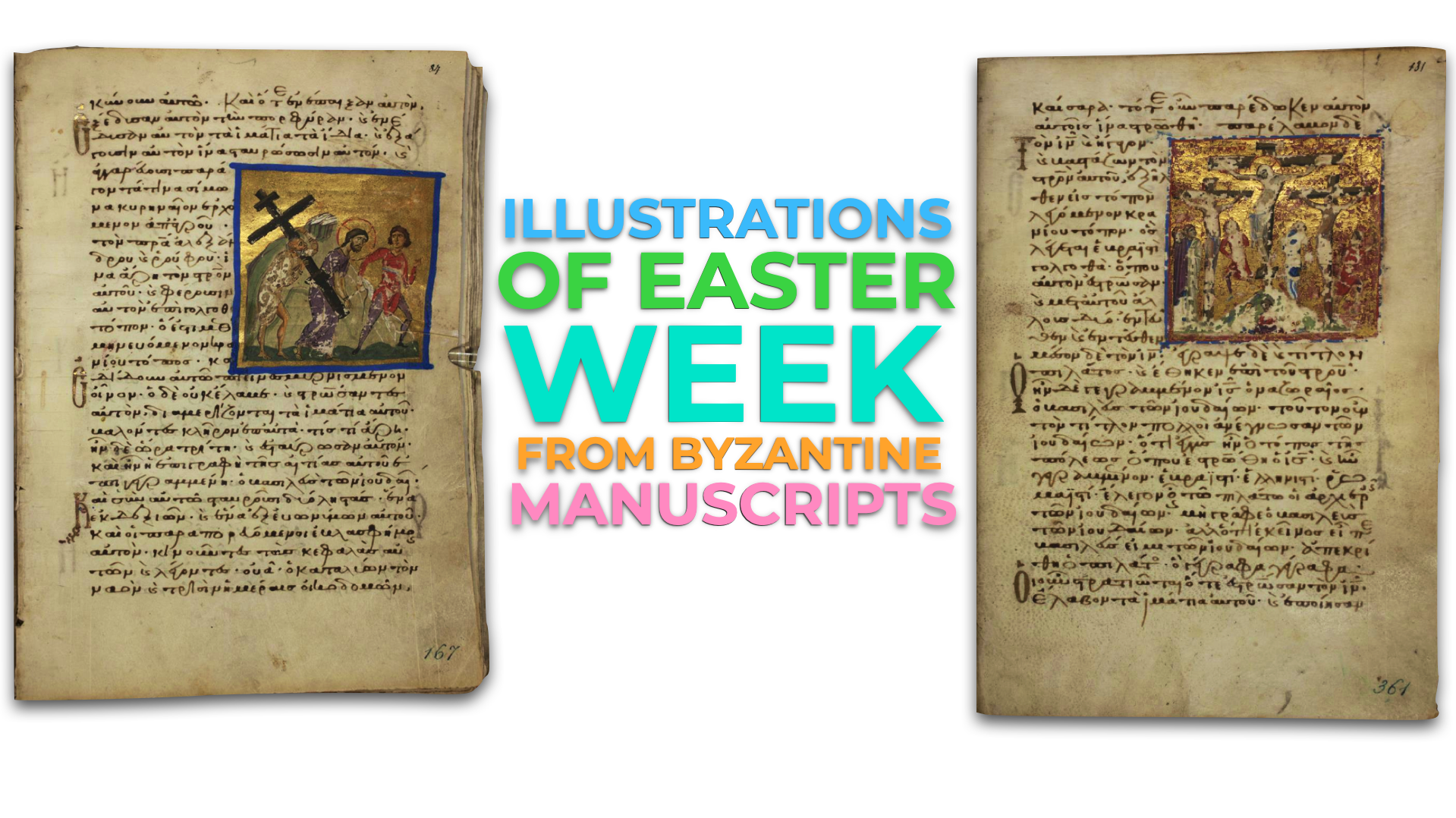
Passion Week from Byzantine manuscripts
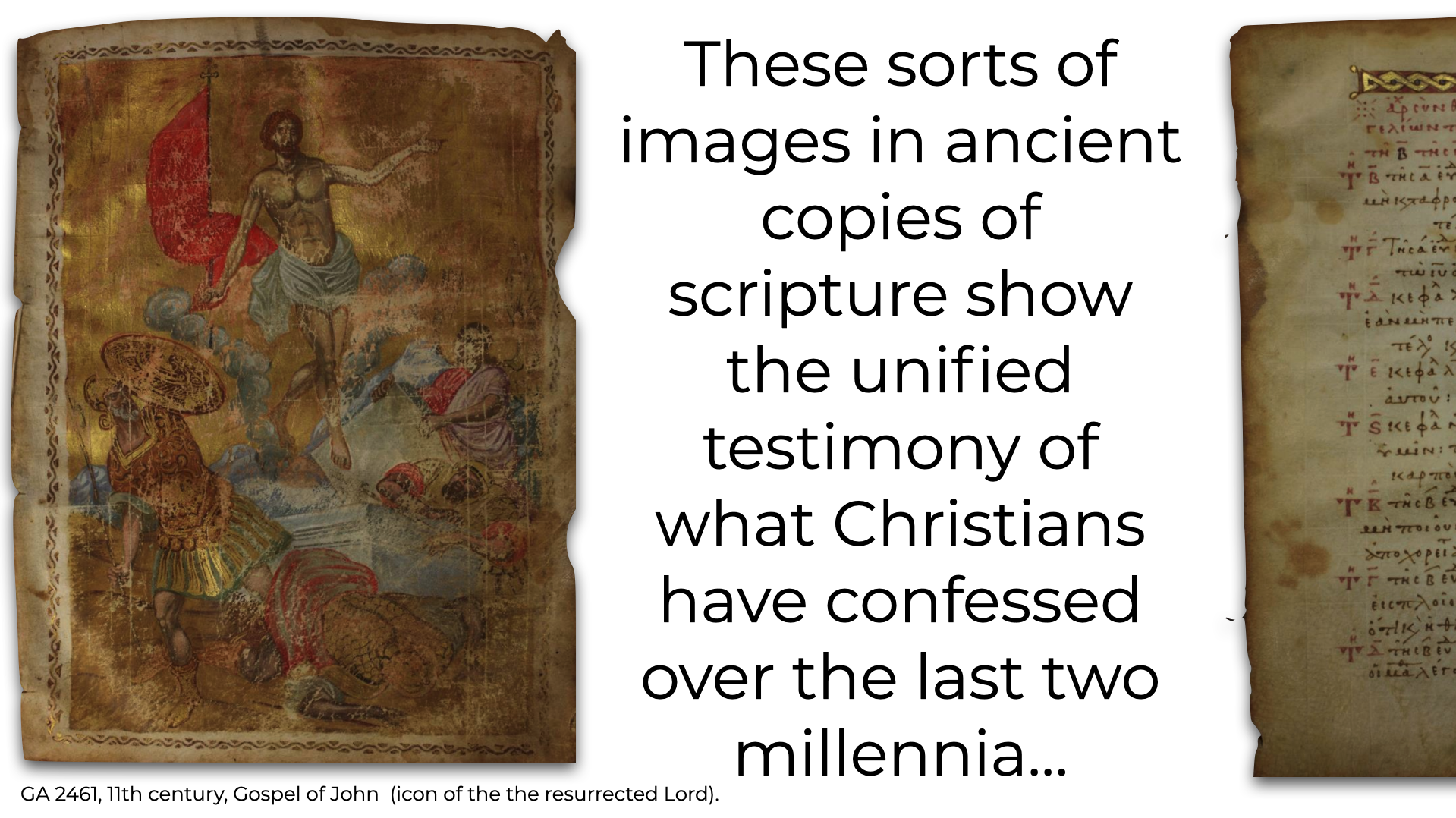
Byzantine art within manuscripts generally focused on full-page portraits of the Gospel writers and decorative headpieces. As Annemarie Weyl Carr, Professor Emerita of Art History at Southern Methodist University noted, “Byzantine New Testament illumination stands out for its inventive deployment of the author portrait” (Carr, “New Testament Imagery,” in A Companion to Byzantine Illustrated Manuscripts, ed. Tsamakda, pp. 263–64).


